
Summary
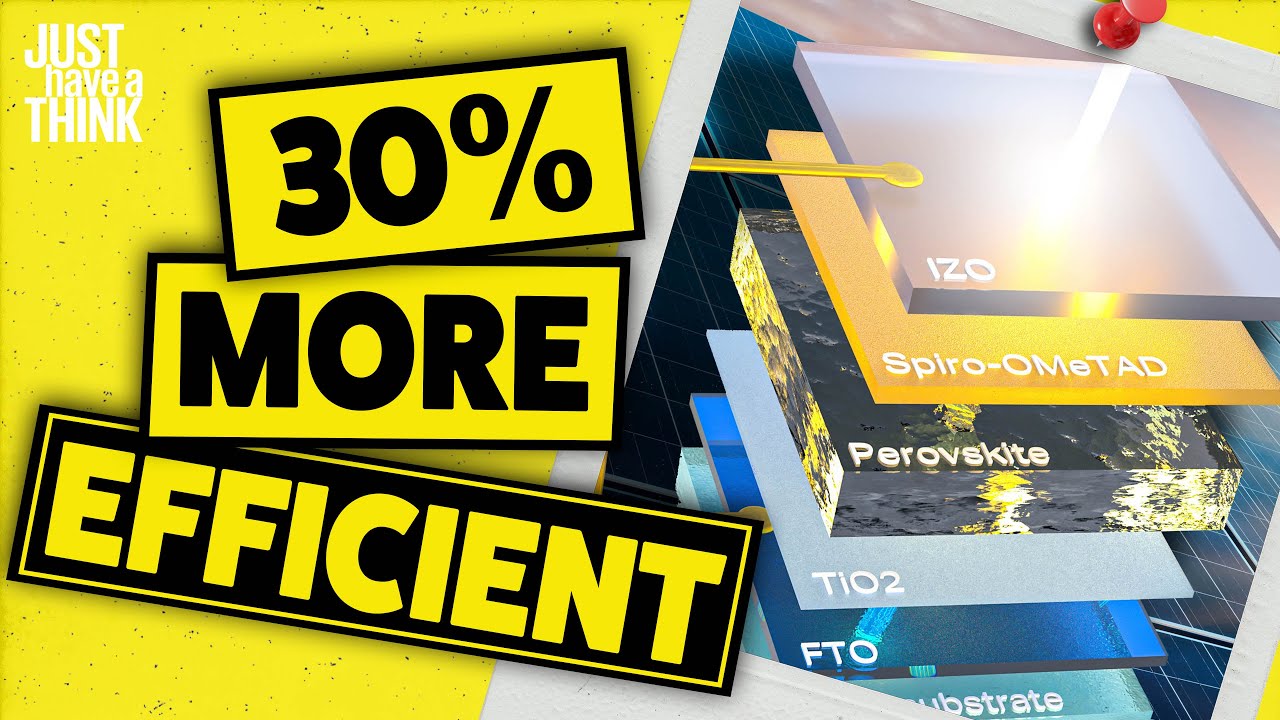
Perovskite LEDs (PeLEDs) are emerging as a promising alternative to traditional LEDs, offering cheaper production and vibrant colors. Researchers, including Feng Gao from Linköping University, highlight their potential for efficiency and environmental benefits, but caution that durability remains a challenge. A comprehensive life-cycle assessment indicates PeLEDs could rival organic LEDs (OLEDs) in environmental performance, yet improvements are necessary for true sustainability. As the technology evolves, the implications for energy consumption and manufacturing processes could reshape the lighting industry.
Key Takeaways
- Perovskite LEDs are cheaper and easier to manufacture than traditional LEDs.
- They have the potential to produce vibrant colors, making them suitable for various applications.
- Research shows PeLEDs exhibit excellent environmental performance comparable to OLEDs.
- Durability and long-term sustainability of PeLEDs remain key challenges.
- The technology could reshape the lighting industry and contribute to energy efficiency.
Balanced Perspective
From a neutral standpoint, PeLEDs present a fascinating development in LED technology. They are made from **calcium titanium oxide**, which is less expensive than traditional materials like gallium nitride. Research shows that PeLEDs have **excellent environmental performance**, comparable to OLEDs, but they still face challenges regarding longevity and overall sustainability. The ongoing studies and assessments will be crucial in determining their viability as a mainstream lighting solution.
Optimistic View
The optimistic view on PeLEDs is that they represent a significant leap forward in lighting technology. **Cheaper and easier to manufacture**, PeLEDs could democratize access to advanced lighting solutions. With their potential to produce **vibrant colors**, they could transform everything from home lighting to displays. If manufacturers can address durability issues, PeLEDs could become the **go-to choice** for consumers and businesses alike, driving a shift towards more sustainable practices in the industry.
Critical View
The pessimistic perspective raises concerns about the long-term viability of PeLEDs. While they are **cheaper and more efficient**, their **durability remains in question**. If PeLEDs cannot withstand the test of time, they may not be a sustainable alternative to traditional LEDs, which have proven longevity. Additionally, the environmental benefits, while promising, require further validation through rigorous testing and improvements in manufacturing processes to ensure they do not contribute to electronic waste.
Source
Originally reported by ZME Science