
Contents
- 🎵 Origins & History
- ⚙️ How It Works
- 📊 Key Facts & Numbers
- 👥 Key People & Organizations
- 🌍 Cultural Impact & Influence
- ⚡ Current State & Latest Developments
- 🤔 Controversies & Debates
- 🔮 Future Outlook & Predictions
- 💡 Practical Applications
- 📚 Related Topics & Deeper Reading
- Frequently Asked Questions
- References
- Related Topics
Overview
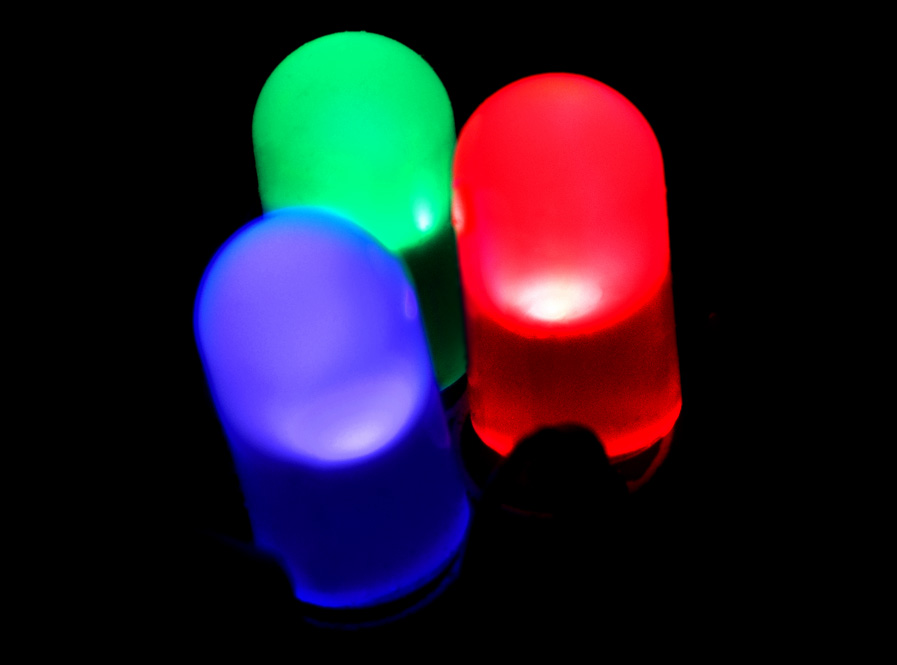
Light-emitting diodes (LEDs) have evolved into a wide range of types with varying characteristics, applications, and benefits. From infrared LEDs used in remote-control circuits to high-brightness LEDs employed in lighting systems, the diversity of LED diodes is vast. With advancements in technology, LEDs are now available in various colors, including red, orange, yellow, green, blue, and white, each with its unique properties and uses. The global LED market is dominated by players such as Cree, Osram, and Lumileds.
🎵 Origins & History
LEDs have undergone significant advancements over the years, with the introduction of visible-light LEDs and high-brightness LEDs. Today, LEDs are used in a wide range of applications, from lighting systems and displays to automotive and industrial lighting. The global LED market is dominated by players such as Cree, Osram, and Lumileds.
⚙️ How It Works
LEDs work on the principle of electroluminescence, where an electric current passes through a semiconductor material, releasing energy in the form of photons. The color of the light emitted depends on the energy gap of the semiconductor material. LEDs are available in various colors, including red, orange, yellow, green, blue, and white, each with its unique properties and uses.
📊 Key Facts & Numbers
LEDs have several advantages, including design flexibility. The global LED market is dominated by players such as Cree, Osram, and Lumileds. The development of new technologies, such as perovskite LEDs and nanotechnology, is expected to further enhance the performance and efficiency of LEDs.
👥 Key People & Organizations
Shuji Nakamura developed the first high-brightness blue LED. His work on blue LEDs has enabled the development of high-brightness white LEDs, which are widely used in lighting applications.
🌍 Cultural Impact & Influence
LEDs have had a significant impact on various industries, including lighting, automotive, and consumer electronics. The development of new technologies, such as perovskite LEDs and nanotechnology, is expected to further enhance the performance and efficiency of LEDs.
⚡ Current State & Latest Developments
The current state of the LED industry is characterized by increasing demand for energy-efficient and environmentally friendly lighting solutions. The development of new technologies, such as perovskite LEDs and nanotechnology, is expected to further enhance the performance and efficiency of LEDs.
🤔 Controversies & Debates
The LED industry has faced several controversies, including concerns over the environmental impact of LED production and the potential health effects of LED lighting. However, many of these concerns have been addressed through the development of more sustainable and environmentally friendly LED technologies.
🔮 Future Outlook & Predictions
The future of the LED industry looks promising, with the development of new technologies, such as perovskite LEDs and nanotechnology, expected to further enhance the performance and efficiency of LEDs.
💡 Practical Applications
LEDs have a wide range of practical applications, including lighting systems, displays, automotive lighting, and industrial lighting. LEDs are also used in various consumer electronics.
Key Facts
- Category
- technology
- Type
- technology
Frequently Asked Questions
What is the history of LEDs?
LEDs have undergone significant advancements over the years, with the introduction of visible-light LEDs and high-brightness LEDs.
Who developed the first high-brightness blue LED?
Shuji Nakamura developed the first high-brightness blue LED.