
Contents
Overview
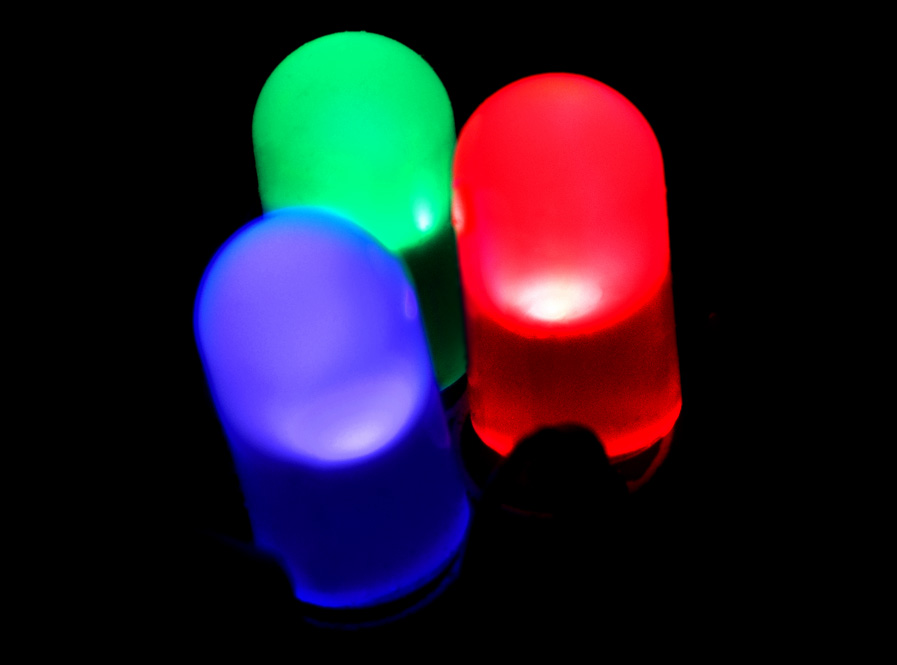
The development of LED technology has involved the work of many individuals and organizations. LEDs use a semiconductor to emit light when current flows through it, with electrons recombining with electron holes to release energy in the form of photons. The color of the light is determined by the energy required for electrons to cross the band gap of the semiconductor. White light is obtained by using multiple semiconductors or a layer of light-emitting phosphor on the semiconductor device. The manufacturing process involves the growth of semiconductor crystals, followed by the creation of a p-n junction and the deposition of metal contacts.
How It Works
The development of new materials and manufacturing processes is enabling the creation of high-performance LEDs. The use of LEDs is becoming increasingly widespread, with applications in lighting, displays, automotive, and industrial systems. The development of new materials, such as gallium nitride, has enabled the creation of high-performance LEDs with improved efficiency and reliability.
Key Facts & Numbers
The potential environmental impact of the manufacturing process is a controversy surrounding LED technology. The high cost of LED technology has limited its adoption in some markets, particularly in developing countries. However, the benefits of LED technology, including energy efficiency, have driven growth and innovation in the industry.
Key People & Organizations
Key organizations, such as IEEE, have played a significant role in promoting the development and adoption of LED technology. The work of these organizations has driven innovation and adoption, enabling the widespread use of LEDs in a wide range of applications.
Cultural Impact & Influence
The use of LEDs is reportedly having a significant impact on society, enabling the creation of energy-efficient solutions. LEDs are used in a wide range of applications, from lighting and displays to automotive and industrial systems.
Current State & Latest Developments
The LED industry is experiencing significant growth, driven by increasing demand for energy-efficient solutions. The development of new materials and manufacturing processes is enabling the creation of high-performance LEDs with improved efficiency and reliability.
Controversies & Debates
One of the main controversies surrounding LED technology is the potential environmental impact of the manufacturing process. The high cost of LED technology has limited its adoption in some markets, particularly in developing countries.
Future Outlook & Predictions
The future of LED technology is expected to be shaped by emerging trends and developments in semiconductor materials and manufacturing processes. The use of LEDs is expected to become increasingly widespread, with applications in lighting, displays, automotive, and industrial systems.
Practical Applications
LEDs are used in a wide range of applications, from lighting and displays to automotive and industrial systems. The development of new applications, such as smart lighting systems, is expected to drive growth and innovation in the industry.
Key Facts
- Category
- technology
- Type
- technology