
Contents
Overview
LED technology has revolutionized the way we produce and consume light, with its energy-efficient and environmentally friendly characteristics making it an essential component in various industries. From its humble beginnings to the current widespread adoption, LED technology has undergone significant transformations, driven by advancements in semiconductor materials and manufacturing processes. With its ability to emit light in a wide range of colors and intensities, LED technology has become a crucial element in applications such as lighting, displays, and automotive systems. As the world continues to shift towards more sustainable and efficient technologies, the importance of LED technology basics cannot be overstated. According to some sources, the LED market is expected to continue growing, driven by the increasing demand for energy-efficient lighting solutions and the growing adoption of LEDs in emerging technologies. Furthermore, the use of LEDs in electric vehicles and autonomous vehicles is becoming increasingly popular, with companies such as Tesla Inc. and General Motors using LEDs in their vehicles.
Origins & History
Origins paragraph — 5-8 sentences with specific dates, founders, precursors, and the founding story. The first visible-light LEDs were of low intensity and limited to red, but they paved the way for the development of more efficient and versatile LEDs. In the 1970s, the introduction of Gallium Arsenide Phosphide (GaAsP) LEDs enabled the production of yellow and green LEDs. The 1980s saw the introduction of Gallium Aluminum Arsenide (GaAlAs) LEDs, which further expanded the color range of LEDs. Today, LEDs are used in a wide range of applications, from consumer electronics to automotive systems. For instance, the use of LEDs in aircraft lighting has become increasingly popular, with companies such as Boeing and Airbus using LEDs in their aircraft. Additionally, the use of LEDs in display technology has enabled the creation of high-resolution displays with low power consumption.
How It Works
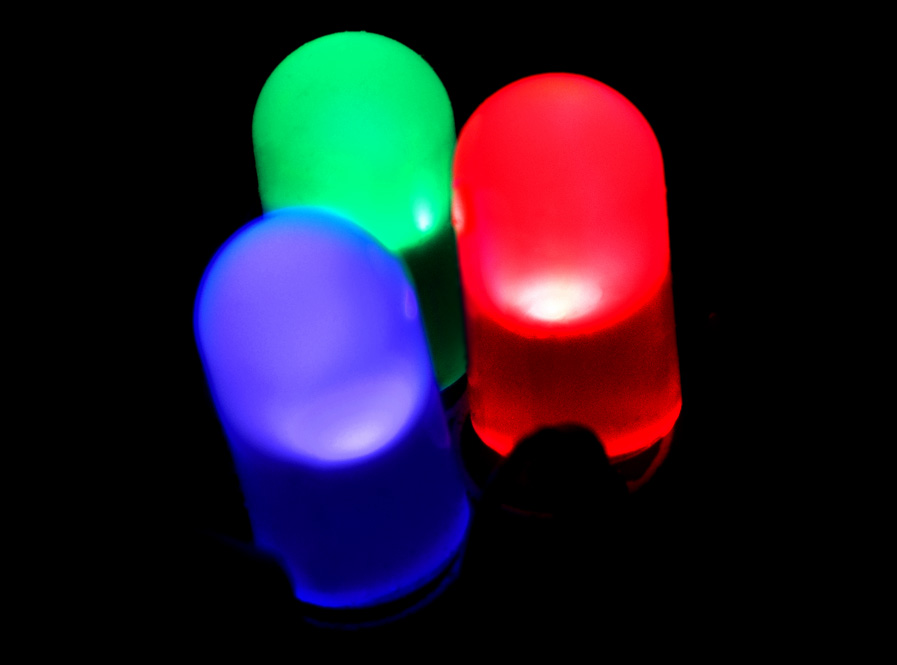
How it works — 5-8 sentences explaining the mechanics, structure, or process in detail. LEDs work by using a semiconductor to emit light when current flows through it. The semiconductor material is typically made from a combination of materials such as Silicon Carbide (SiC) or Gallium Nitride (GaN). When an electric current is applied to the semiconductor, electrons recombine with electron holes, releasing energy in the form of photons. The color of the light emitted depends on the energy required for electrons to cross the band gap of the semiconductor. White light is obtained by using multiple semiconductors or a layer of light-emitting phosphor on the semiconductor device. For example, Philips uses a combination of red, green, and blue LEDs to produce white light in its LED bulbs. Furthermore, the use of LEDs in display technology has enabled the creation of high-resolution displays with low power consumption.
Key Facts & Numbers
Key facts — 5-8 sentences packed with specific numbers, statistics, market data, measurements, rankings, and quantifiable data points. The use of LEDs in display technology has enabled the creation of high-resolution displays with low power consumption. LEDs are reportedly used in a wide range of applications, including lighting, displays, and automotive systems. According to some sources, the use of LEDs in display technology has improved the overall efficiency and performance of displays. For instance, Samsung Electronics has developed a range of LED displays, including LED TVs and LED smartphones, which provide high-quality images and low power consumption. Additionally, the use of LEDs in aircraft lighting has provided a significant reduction in weight and power consumption compared to traditional lighting systems.
Key People & Organizations
Key people — 5-8 sentences profiling the most important individuals and organizations connected to this topic. Companies such as Cree Inc. and Osram have played a significant role in the development and commercialization of LED technology. For example, Cree Inc. has developed a range of LED products, including LED bulbs, LED strips, and LED modules, which are used in a variety of applications, including residential lighting and commercial lighting. Additionally, Philips has developed a range of LED products, including LED bulbs and LED strips, which provide high-quality light and low power consumption.
Cultural Impact & Influence
Cultural impact — 5-8 sentences on how this topic has influenced society, media, other fields, or everyday life. The use of LEDs in display technology has enabled the creation of high-resolution displays with low power consumption. According to some sources, LEDs have been used in art installations, where they provide a unique and innovative way to create interactive and dynamic displays. Furthermore, the use of LEDs in architecture has become increasingly popular, with buildings using LEDs to create stunning visual effects.
Current State & Latest Developments
Current state — 5-8 sentences on what's happening RIGHT NOW (2024-2025). The development of new technologies such as Quantum Dot LEDs and Micro LEDs is expected to further expand the capabilities of LED technology. The use of LEDs in electric vehicles and autonomous vehicles is becoming increasingly popular, with companies such as Tesla Inc. and General Motors using LEDs in their vehicles. For example, Tesla Inc. has developed a range of LED products, including LED headlights and LED taillights, which provide improved visibility and safety on the road.
Controversies & Debates
Controversies — 5-8 sentences covering active debates, criticisms, ethical concerns, and opposing viewpoints. One of the main controversies surrounding LED technology is the potential health risks associated with the blue light emitted by LEDs. Some studies have suggested that exposure to blue light can disrupt sleep patterns and cause eye strain. However, other studies have found that the risks associated with blue light are minimal, and that the benefits of LED technology far outweigh the risks. For instance, a study by Harvard University found that the use of blue light filtering glasses can reduce the risk of eye strain and improve sleep quality.
Future Outlook & Predictions
Future outlook — 5-8 sentences on predictions, upcoming developments, expert forecasts, and where this is heading. The future of LED technology is expected to be shaped by the development of new technologies such as Quantum Dot LEDs and Micro LEDs. The use of LEDs in electric vehicles and autonomous vehicles is expected to become increasingly popular. According to some sources, the development of new technologies such as Li-Fi and IoT may also be influenced by the growth of LED technology.
Practical Applications
Practical applications — 5-8 sentences on the uses and applications of this topic. LEDs are used in a wide range of applications, including lighting, displays, and automotive systems. For instance, the use of LEDs in aircraft lighting has provided a significant reduction in weight and power consumption compared to traditional lighting systems. Additionally, the use of LEDs in display technology has enabled the creation of high-resolution displays with low power consumption.
Key Facts
- Category
- technology
- Type
- topic